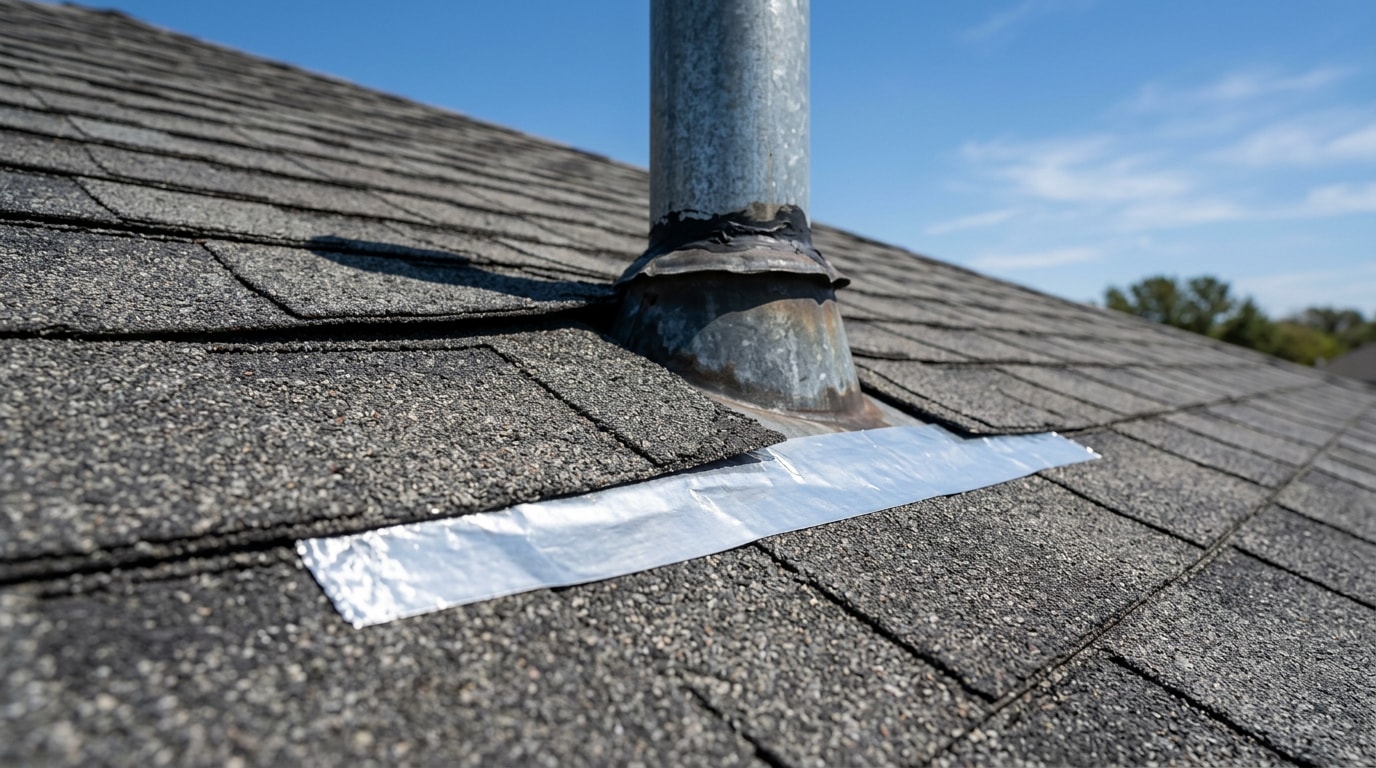
A torn shingle after a Gulf Coast thunderstorm or a lifted flashing seam on a metal roof usually can't wait for a full repair appointment. Roofing tape in Katy, TX is the fast, no-nail fix that stops water intrusion until a permanent repair gets scheduled. Here's which tape to grab for which roof, how it holds up against our heat and humidity, and how to apply it so it actually lasts.
Types of Roofing Tape Explained
Roofing tape isn't one product, it's a category, and each type is engineered for a different roof material. Katy homes commonly mix asphalt shingles, standing-seam metal, and flat or low-slope EPDM sections over additions and garages, so the right tape depends entirely on what you're patching.
Butyl Tape: The Workhorse for Metal Roofs and Flashing
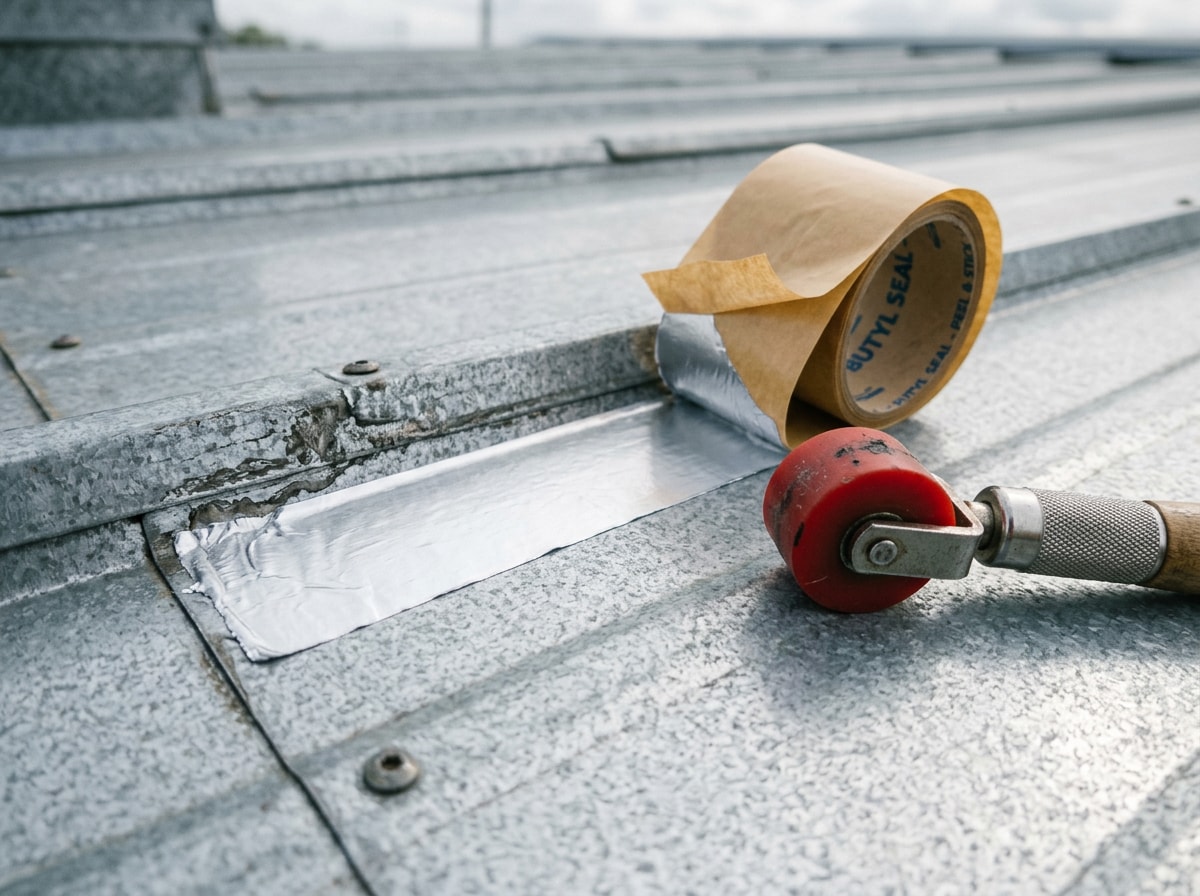
Butyl rubber stays flexible across a wide temperature swing, which is why it's the default choice for metal roofing seams and flashing details. One manufacturer's butyl sealant tape is rated for a service temperature range of -40 to +180 degrees Fahrenheit , and the material is built so it will not become brittle or crack across that range.
That matters in Katy, where roof surfaces swing from near-freezing mornings in January to scorching afternoons in August. If you're putting butyl tape on standing-seam or exposed-fastener panels, our metal roofing installation crews treat tape as a supplement to proper panel fastening, not a replacement for it, a distinction covered in more depth in our Galvalume metal roofing buyer's guide.
Asphalt-Based Tapes: Cheap Patches for Shingle Roofs
Aluminum-faced bitumen tape is the budget option for quick shingle repairs, genuinely useful for a pinhole leak or a lifted tab. The catch is Texas summer heat: butyl flashing tapes may begin to soften anywhere between 120°F and 180°F unless rated for high-temperature use, and asphalt-based products soften well before that, often near the 140°F mark, on a dark, south-facing shingle roof in July.
Treat asphalt tape as a temporary patch, not a lasting fix. One side-by-side tape comparison rates asphalt and aluminum foil tape as 2 to 5 years, treat as temporary , which lines up with what we see on Katy roofs that bake under direct afternoon sun.
Seam Tape for EPDM and Single-Ply Membranes
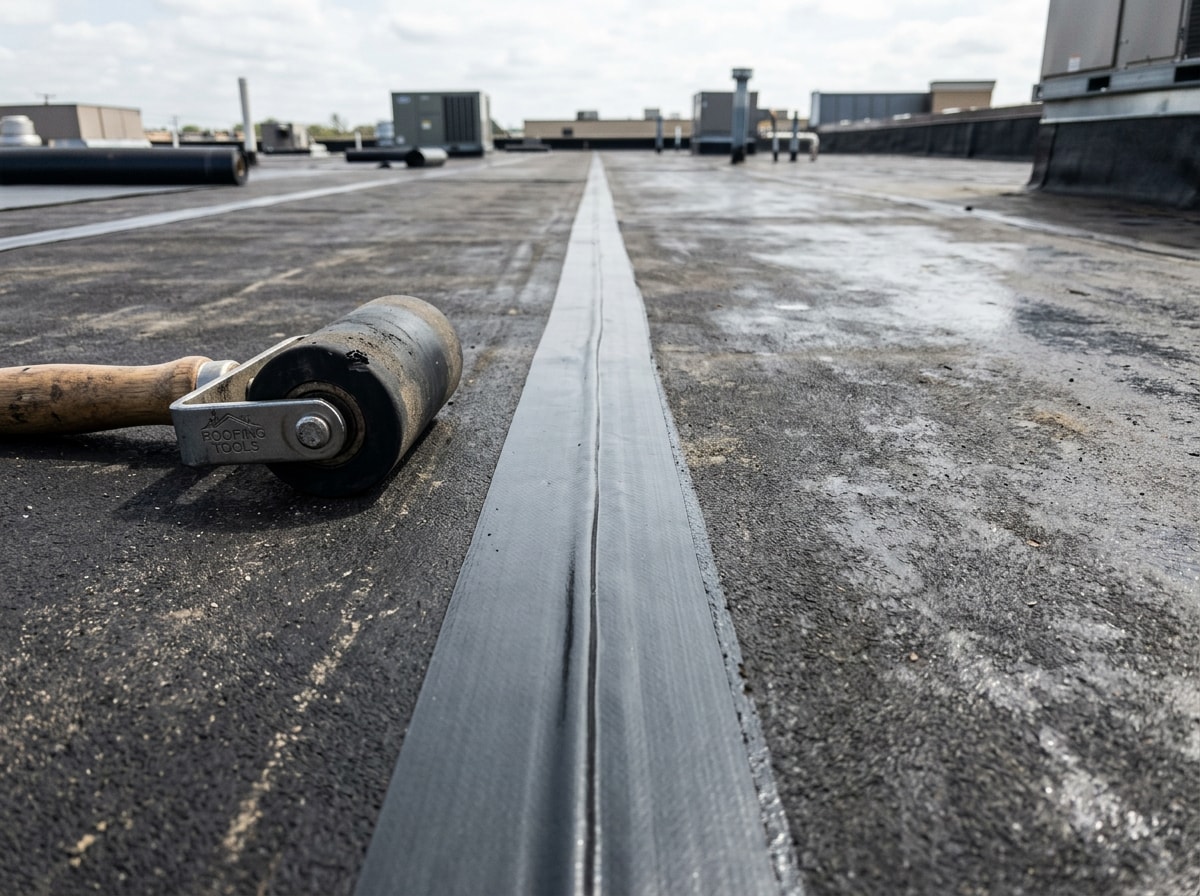
Engineered splice tape, applied with a liquid primer, is the standard way to join EPDM membrane seams, common on flat-roofed additions, garages, and commercial sections scattered throughout Katy. Unlike a surface patch, this flat roof tape is designed to become a permanent, factory-style seam when installed to spec, which is why we only run it on flat roofing installation and TPO roofing installation jobs using the membrane manufacturer's matched tape and primer.
How Roofing Tape Performs in Katy's Climate
Katy sits inside the greater Houston weather system, and that system is not gentle on adhesives. Houston's climate normals show an average August high near 95°F with record highs that have reached 95 °F (35 °C), making it the warmest month annually , and daily highs through the summer routinely sit in the low-to-mid 90s on Houston-area roofs, which run hotter than ambient air. On an unshaded shingle or metal roof, surface temperatures regularly exceed the 140°F threshold where cheap asphalt tape starts to lift.
This is the gap most generic roofing-tape guides skip: they list a national temperature rating and move on. In Katy specifically, that rating needs a safety margin, because a dark roof deck on a 95°F day can run 40 to 50 degrees hotter than the air above it. Butyl and EPDM-rated tapes, with their higher softening points, are the safer default here, not just the "better" option.
What Is Double-Sided Roofing Tape
Double-sided roofing tape has adhesive on both faces and bonds roofing components, metal panels, trim, drip edges, ridge caps, without nails or staples penetrating the material. It's prized for clean, fastener-free details where visible hardware isn't wanted.
One important caveat for Katy: double-sided tape is not a substitute for structural fasteners in high-wind applications. The International Residential Code requires roof coverings to resist the component and cladding loads specified in Table R301.2.1(1), adjusted for height and exposure , and that wind-load standard assumes mechanical attachment, not adhesive alone, on anything load-bearing. During Katy's storm season, roof bonding tape should supplement, not replace, proper fastening. If you're unsure what your roof needs structurally, a roof repair specialist can confirm it in one visit.
How to Apply Roofing Tape (Step-by-Step)
Application quality, more than the tape brand, decides whether a repair lasts for years or peels up within a season. The process breaks into three stages: prep, application, and avoiding the mistakes that undo both.
Surface preparation:
- Clean, dry, and inspect the substrate before any tape goes down. Even premium tape fails on a dirty or damp surface.
- Remove dust, granules, oils, and old sealant residue, then let the area dry completely.
- Skipping this step is the single most common reason a tape application fails early.
Because this work happens on the roof itself, treat fall protection as non-negotiable. Falls remain the leading cause of work-related deaths among residential construction workers , according to OSHA's residential fall protection guidance, so a quick patch on a steep or wet roof is exactly the kind of job that calls for a professional rather than a ladder and a roll of tape.
Application technique:
- Peel the backing in short sections while pressing the tape down as you go, rather than pulling it all off at once.
- Use firm, even pressure with a hand roller to eliminate trapped air bubbles and maximize contact.
- Overlap seams by at least half the tape's width to maintain a continuous, waterproof line.
- Work slowly. Rushing this step is how a repair starts leaking again within weeks.
Common mistakes:
The most frequent roofing tape mistakes are insufficient surface prep, inadequate overlap, trapped air bubbles under the tape, and installing outside the product's rated temperature range. Any one of these can turn a DIY patch into a leak that resurfaces within weeks. If a patch you applied isn't holding, a professional roof inspection before the next rain is worth the call, since moisture that's already past the tape line is moving into the decking, not sitting on top of it.
Emergency Leak Repairs With Tape
Tape earns its keep most clearly during an active leak. After a storm rips a shingle loose or lifts a flashing edge, roofing tape can hold the line until a permanent repair gets scheduled. Katy's storm season brings sudden high winds and heavy rain, and an emergency tape patch can be the difference between a contained drip and interior water damage.
This is a stopgap, not a solution. If storm damage affects more than a small, accessible area, our storm damage repair team should assess the full scope before the next system rolls through. Homeowners in nearby Cypress, TX and Richmond, TX deal with the same storm patterns, so the same rule applies across the area: tape buys time, it doesn't replace a scope assessment.
Pros and Cons of Roofing Tape
Roofing tape is a genuinely useful tool, but it isn't a cure-all. Knowing its real capabilities and limits keeps expectations realistic before you climb up with a roll in hand.
What it does well:
- Stops an active leak within minutes, with no cure time
- Bridges irregular shapes that liquid sealant struggles to cover evenly
- Adheres well to metal, cement board, plywood, and most rigid plastics
Where it falls short:
- Temporary by nature on most chemistries
- Heavily dependent on surface condition at the time of application
- Sensitive to installation temperature and humidity
- Leaves a visible seam that isn't always cosmetically ideal
Picture a south-facing Katy roof through a full Texas summer. Asphalt-faced tape on that exposure often softens and lifts at the edges within one season as surface temperatures climb past its rated range. The same spot patched with correctly chosen butyl tape typically holds through multiple summers, because butyl was built to flex rather than soften under heat, a gap confirmed by product specs showing butyl's realistic lifespan at 10 to 20 years, often matches the roof versus asphalt tape's much shorter service life.
Tape vs. Caulk and Liquid Sealants
Tape and liquid sealants solve similar problems differently, and the right choice depends on the job, the weather window, and the budget.
| Factor | Roofing Tape | Caulk / Liquid Sealant |
|---|---|---|
| Application speed | Minutes | 15–30+ minutes, plus smoothing |
| Cure time | Immediate bond | Hours to 24+ hours |
| Typical lifespan | 2–20 years, varies by type | 1–10 years, weather-dependent |
| Cost range | Roofing tape rolls span roughly $8 to $70 depending on grade | Caulk tubes run roughly $8–$20 each |
| Best use case | Seams, flashing, emergency patches | Small gaps, nail heads, fine cracks |
Industry comparisons of repair tape note that rolls span anywhere from $8 to $70 , which is why matching the tape to the job matters more than grabbing the cheapest roll on the shelf. Tape wins on speed and consistency; liquid sealant still has a role for tiny gaps and fasteners tape can't bridge cleanly.
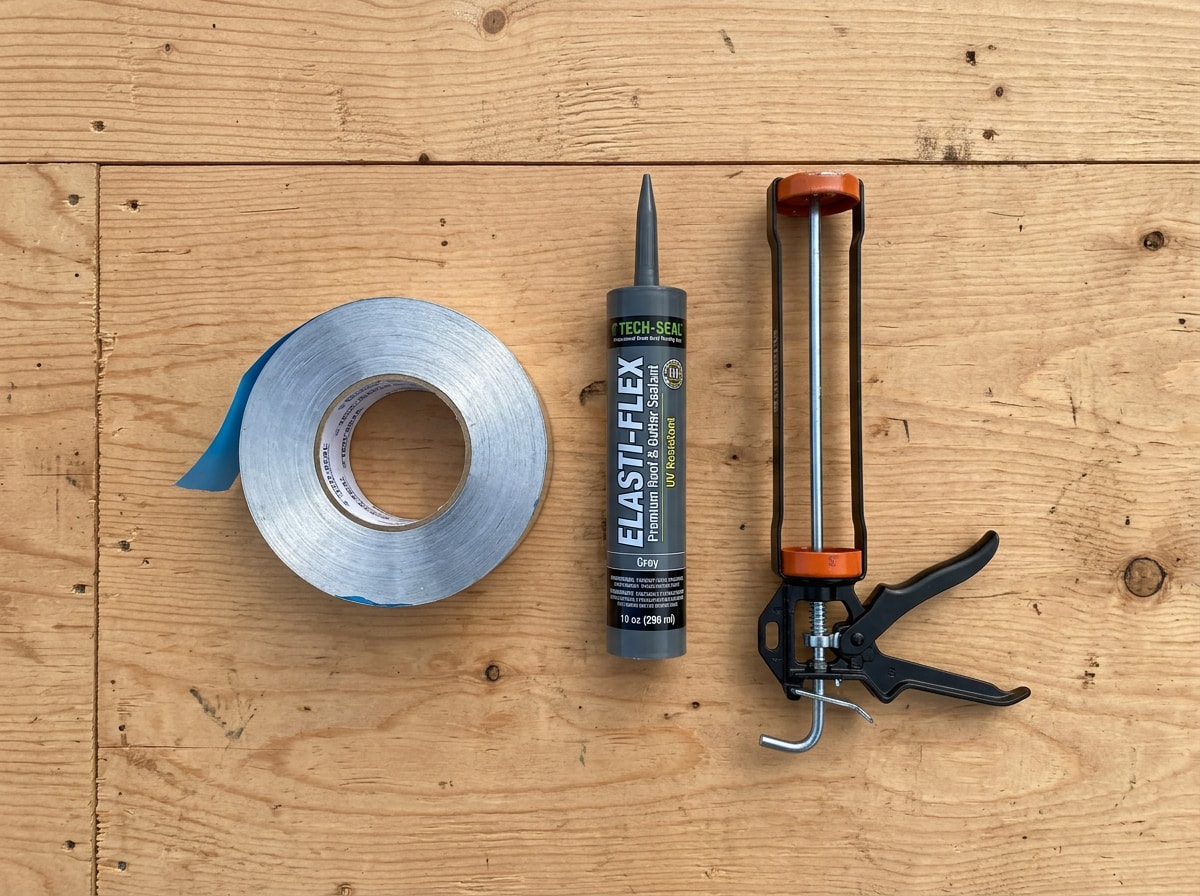
Choosing the Right Roll for the Job
Match the tape to the job rather than grabbing whatever's cheapest at the hardware store.
- Active leak during rain: choose a butyl or rubberized tape rated for wet application.
- Metal roof flashing: stick with butyl.
- EPDM seams: use the membrane manufacturer's specified splice tape and primer. Mixing brands here often voids the system warranty.
- Simple shingle patch: aluminum-faced asphalt tape is adequate as a short-term fix, not a long-term one.
Choosing roofing tape for Katy's climate specifically means prioritizing UV stability and heat tolerance over price. A roofing contractor can confirm the right product for your roof type before you buy, and if the underlying issue is bigger than a seam or a pinhole, our roof maintenance program catches those problems before they become tape-and-pray situations.
Final Thoughts: Is Roofing Tape Worth It?
Roofing tape is a legitimate, cost-effective tool for small leaks and temporary fixes, and most Katy homeowners will find a real use for it at some point. It is not a substitute for a professional look at anything beyond a minor patch. If a tape patch is holding but the underlying cause is unclear, our team serving Katy, TX can diagnose it properly before small damage turns into a bigger bill. Get a free estimate and we'll tell you straight whether tape, a repair, or a full assessment is the right move.
Visit Optimum Roofing Solutions to see our project history and service areas across the greater Houston region.
FAQ
Can roofing tape be used on metal roofs?
Yes. Butyl-based tape formulated for metal substrates works well, combined with proper surface prep and firm roller pressure for a lasting bond.
How long does roofing tape last?
It depends on the type. Asphalt-faced tape typically lasts 2 to 5 years. Quality butyl or engineered seam tape can last 10 to 20 years when installed correctly on the right surface.
Is roofing tape waterproof?
Most roofing tapes create an immediate waterproof seal on a clean, dry surface. Seal quality still depends heavily on correct prep and choosing the right adhesive chemistry for the material being sealed.
Can you apply roofing tape in the rain or on a wet roof?
No. Nearly all roofing tapes need a clean, dry surface to bond correctly. Applied over water, the adhesive can't properly wet the surface and the edges lift almost immediately. If a leak is active during a storm, a tarp is the safer short-term measure until the roof dries and it's safe to climb up.
Is roofing tape a permanent fix or just temporary?
Most tape repairs should be treated as temporary-to-medium-term solutions, not permanent ones. If a leak keeps returning or spreads, a professional roof inspection is the next right step.
Is roofing tape as good as caulk for roof repairs?
For seams, flashing, and emergency patches, tape usually outperforms caulk because it applies evenly, bonds instantly, and won't sag in heat. Caulk still has a place for small gaps and fastener heads that tape can't bridge cleanly.