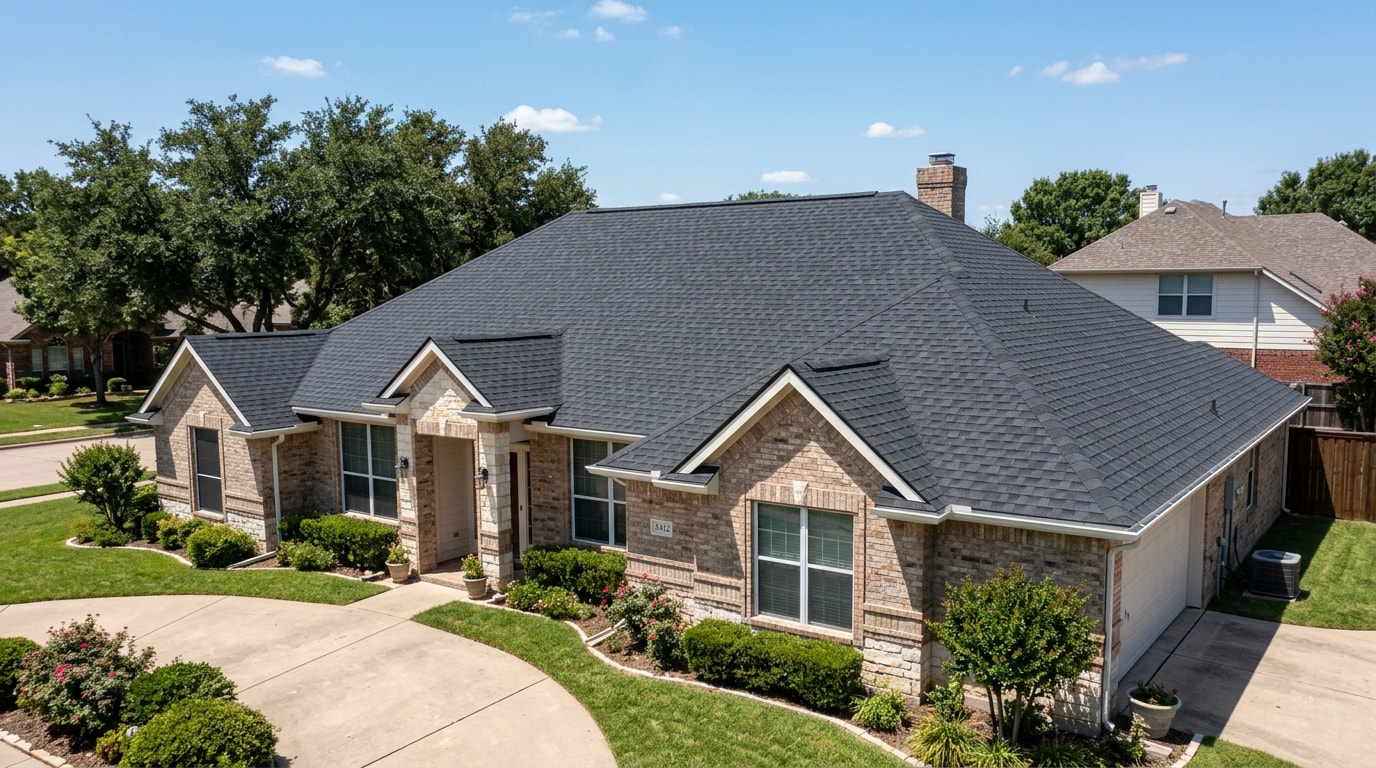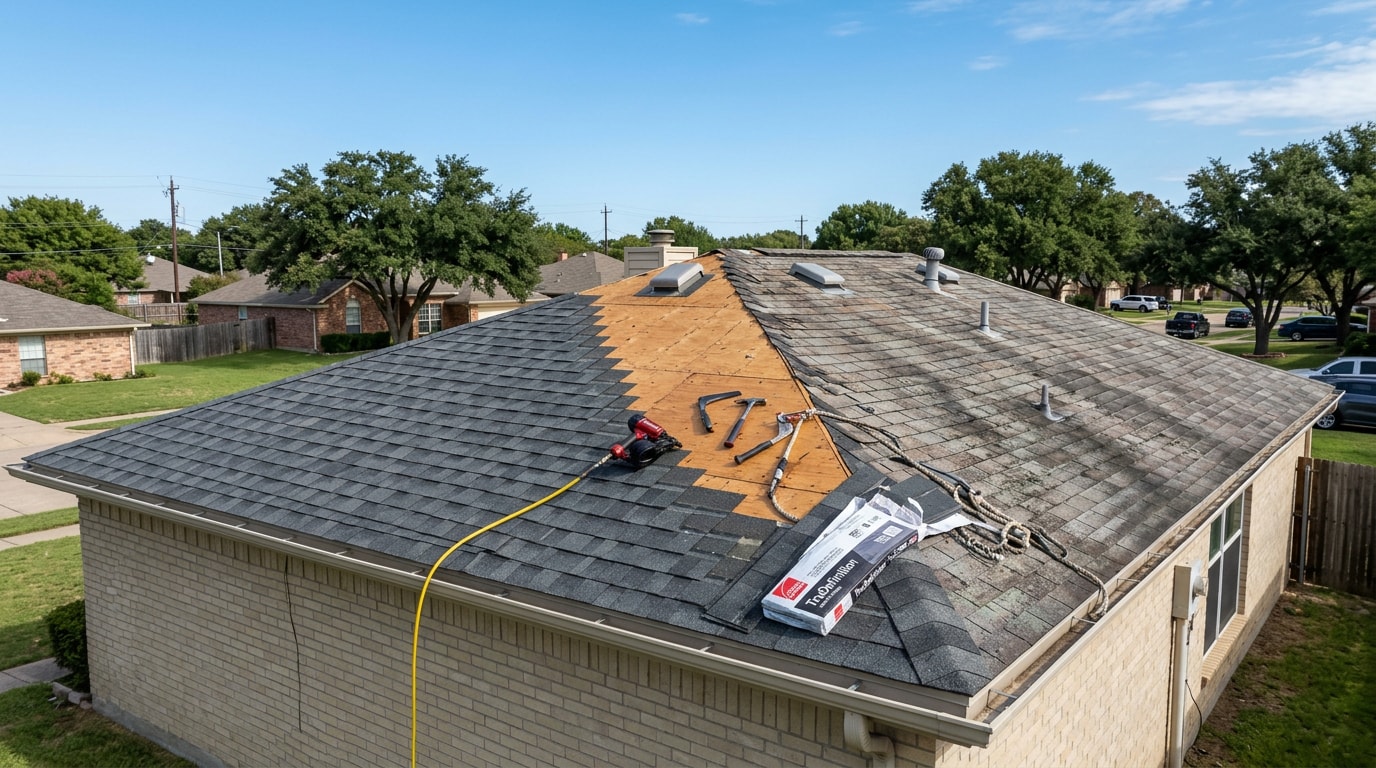

DIY roofing repairs in Pasadena, TX come with a catch most online tutorials skip: Gulf Coast humidity and sudden summer storms change the safety math compared to drier climates. Our crews at Optimum Roofing Solutions have reroofed and patched enough homes across the Houston area to know exactly which small jobs are safe for a homeowner and which ones turn into a bigger repair bill. This guide walks through the safety rules, tools, and step-by-step fixes for shingles, leaks, flashing, and flat-roof drainage, plus the red flags that mean it's time to stop and call a licensed contractor.
Safety First: What Pasadena's Climate Adds to the Risk
Before any repair, confirm your roof's pitch and check the forecast, not just the morning sky. Many roofing safety guides limit comfortable DIY work to slopes of 6:12 or gentler, and a wet or dew-covered surface makes even a moderate pitch dangerous.
Pasadena's climate adds its own wrinkles. Summer humidity keeps shingles tacky and slick later into the morning than drier regions, and afternoon thunderstorms can roll in with little warning from spring through early fall. Check radar before you go up, not after.
The injury numbers back up the caution. Falls are the leading cause of death in the construction industry, accounting for over 3,500 fatalities between 2003 and 2013, and falls from roofs accounted for nearly 1,200, or 34%, of the fall deaths during that period. That's a professional-crew statistic, but it's a sober reminder for anyone without daily rooftop experience, fall protection gear, or a spotter.
A few non-negotiables before you climb:
- Wear rubber-soled shoes with real tread
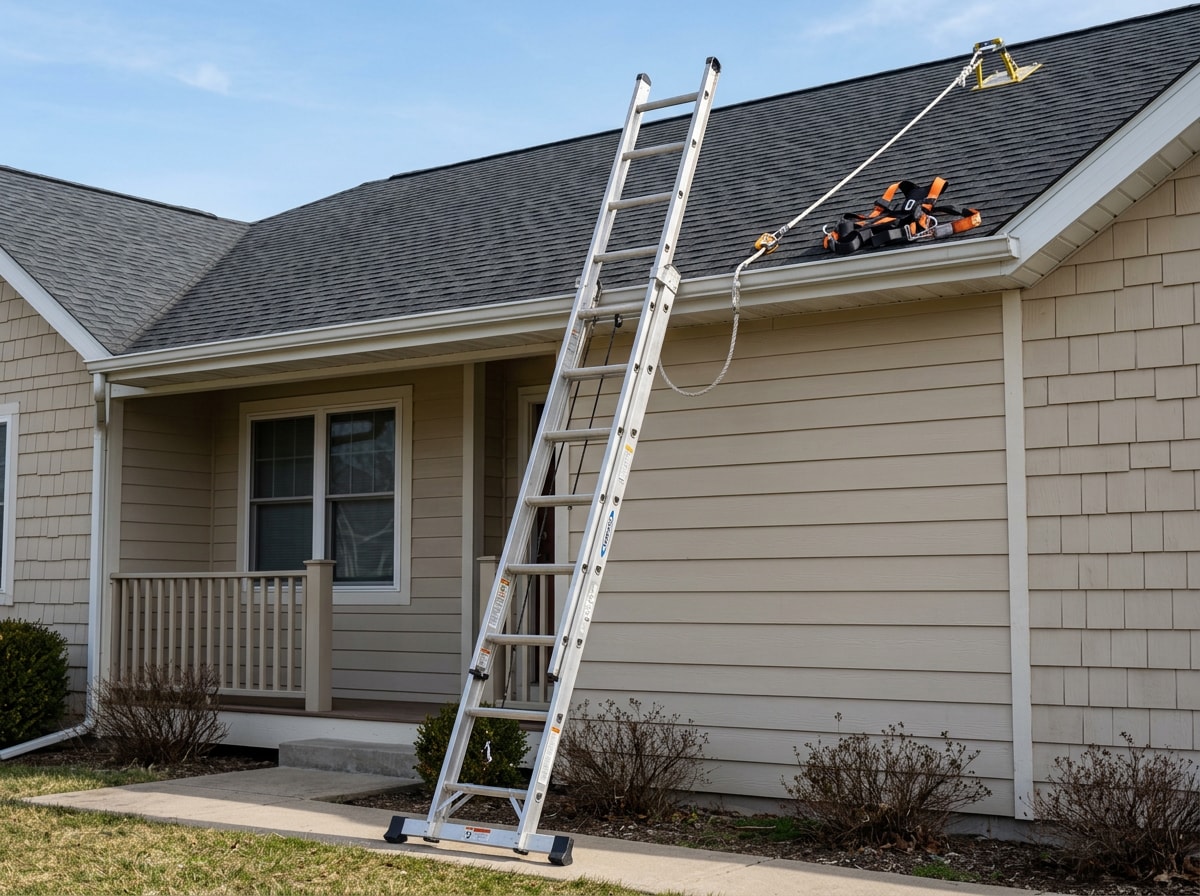
- Never work alone, set the ladder on level ground, and have someone hold it steady
- Use a roof harness anchored to a secure point for anything beyond a five-minute patch
- Skip the roof entirely if it's wet, storm-damaged, or steeper than 6:12
Tools & Materials Checklist
Running up and down a ladder mid-repair wastes time and adds fall risk, so gather everything before starting any roof work. For most common repairs, you'll need:
- Replacement shingles matching your roof's existing color, style, and thickness
- Roofing cement or compatible sealant for edges and flashing
- A pry bar to lift shingles without cracking them
- A hammer or roofing nailer plus galvanized roofing nails
- A sharp utility knife for trimming shingles to size
- Flashing material for chimney, vent, or skylight repairs
- Work gloves, safety glasses, and the ladder/harness setup noted above
Matching shingle color and style matters more than it seems. A mismatched patch is the easiest way to spot DIY work, and it can affect curb appeal. If you're unsure which shingle type your roof uses, our roof repair team can help identify it before you buy materials.
When DIY Roofing Repairs in Pasadena, TX Make Sense
DIY roof repair fits small, localized damage: a handful of missing shingles, a minor flashing seam, or a surface leak you can trace and reach safely. It doesn't fit widespread storm damage, sagging decking, or anything requiring work on a steep or wet roof.
Roof age and pitch factor in too. A roof nearing the end of its lifespan may have brittle shingles that crack under foot traffic, and anything steeper than 6:12 pushes past what most homeowners should attempt without specialized equipment.
Here's how typical repairs break down:
| Task | DIY-Appropriate? | Pro Required? | Estimated Cost Range |
|---|---|---|---|
| Single missing or cracked shingle | Yes | No | $15–$50 in materials |
| Small flashing seam reseal | Yes, with caution | Sometimes | $20–$60 in materials |
| Minor surface leak patch | Yes | No | $20–$75 in materials |
| Widespread hail/storm damage | No | Yes | $800–$4,000+ |
| Sagging or soft decking | No | Yes | $1,500–$6,000+ |
| Counter-flashing replacement | No | Yes | $300–$900 |
These figures vary with roof size, material, and local labor rates, so treat them as planning estimates rather than quotes. A damage assessment and inspection is the fastest way to know which column your repair actually falls into before you buy materials.
Common Roof Repairs You Can Handle Yourself
With safety gear on and materials staged, here are the repairs that fall into DIY territory for most Pasadena homeowners: missing or damaged shingles, small surface leaks, minor flashing issues, and ponding water on flat-roof sections.
Fixing Damaged or Missing Shingles
This is the most common DIY roofing repair homeowners handle themselves, and the process follows a predictable order.
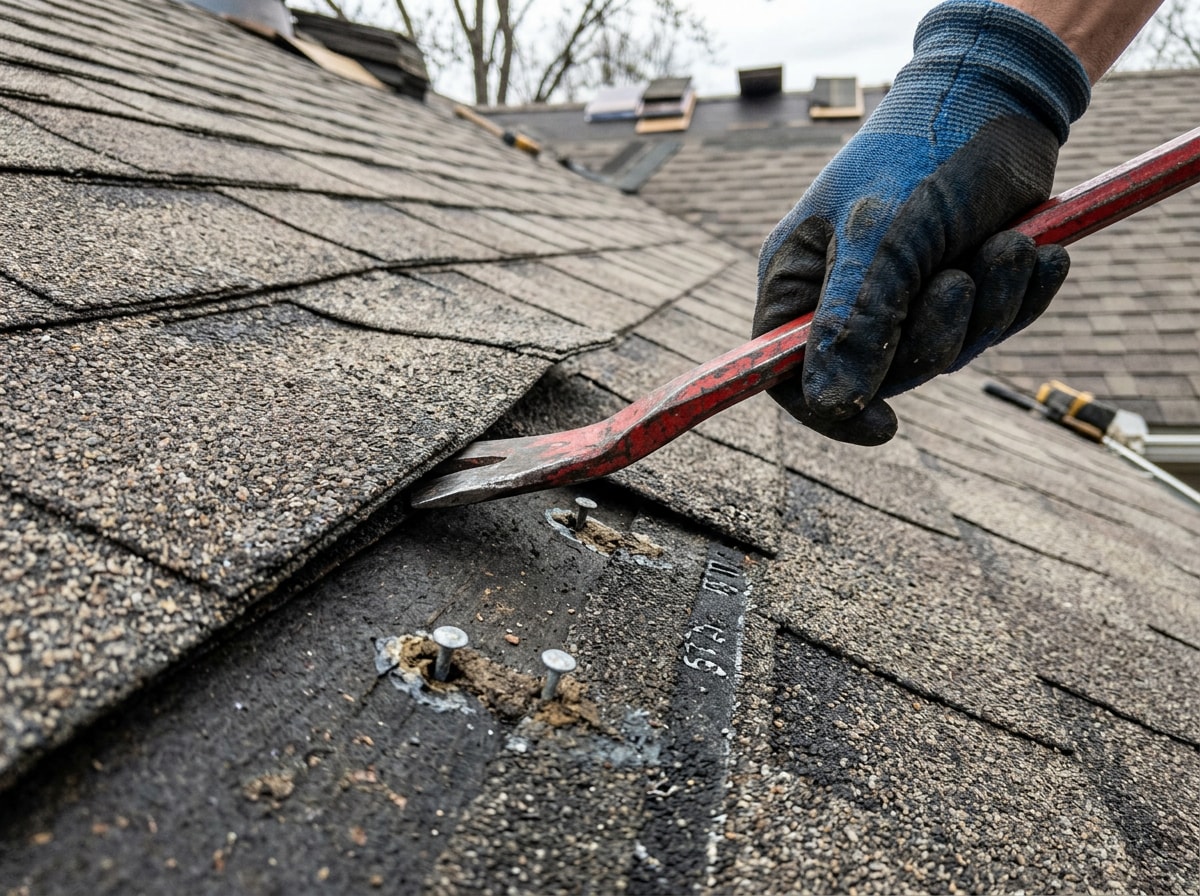
Start by locating the damaged shingle and gently lifting the shingle directly above it with a pry bar. Asphalt shingles overlap, so you need access to the nails holding the damaged one in place. Work slowly. Brittle or heat-softened shingles crack easily during Houston-area summers.
Once the tabs are lifted, remove the exposed roofing nails with the flat end of the pry bar or a hammer's claw. Slide the damaged shingle out and set the replacement in its place, aligning it with the surrounding courses.
Nail the new shingle down with four roofing nails placed just below the adhesive strip, then press the lifted shingle above it back into position. Seal the edges and nail heads with a dab of roofing cement to block water intrusion.
Nail placement matters more than most DIYers expect. IKO's own installation guidance notes that you must place nails in the proper location and drive them flush with, but not cutting into, the shingle , a step worth reviewing in detail before you start, since nails driven too high or too low are a leading cause of early shingle failure and new leaks.
Repairing Small Roof Leaks
Small, surface-level roof leaks are reasonable DIY projects. Larger or recurring leaks, especially ones that reappear after a patch, usually point to a bigger problem and need a professional's diagnosis before you spend more time or materials.
Start inside, if your attic is accessible, and trace water stains back toward their highest point. Water often travels along rafters before dripping somewhere lower than the actual leak origin. Common causes include cracked shingles, nail pops, deteriorated flashing, and clogged valleys that let water back up under shingles.
Once you've located the probable source, pry up the surrounding shingles the same way you would for a replacement, and check the decking underneath for soft spots or rot. Soft decking signals the leak has been active a while and may need more than a surface patch.
If the deck looks sound, apply roofing cement generously under and around the damaged area, then replace the shingle and reseal. For a deeper dive into shingle repair costs and timelines, our shingle repair guide for Atascocita homeowners covers the same decision points under similar Houston-area weather.
Addressing Flashing Problems
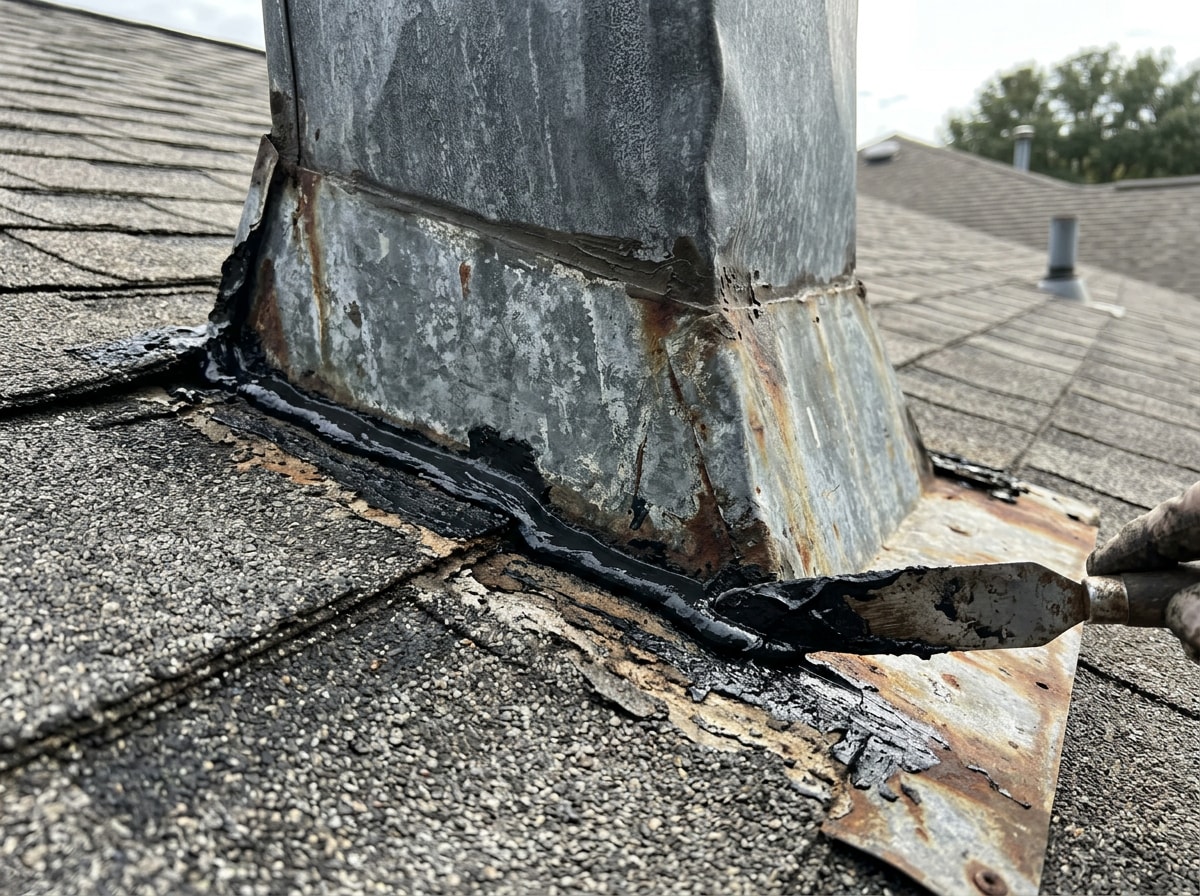
Flashing directs water away from where your roof meets a chimney, vent pipe, or skylight, so cracks or rust here cause leaks even when nearby shingles look fine.
Inspect chimney flashing and vent flashing for gaps, rust, or lifted edges. If the flashing itself is intact but the sealant has failed, remove the old, cracked caulk with a utility knife, clean the surface, and apply a fresh bead of roofing cement along the seam. Re-secure loose edges with roofing nails before resealing.
Not every flashing repair is a DIY job, though. Counter-flashing (the metal embedded into chimney mortar joints) and woven step flashing along wall intersections shouldn't be pried up or replaced by a homeowner. Disturbing them incorrectly often creates a bigger leak than the one you started with.
Managing Ponding Water on Flat Roofs
Ponding water is standing water that remains on a flat or low-slope roof section more than 48 hours after rainfall. It's a common issue on garage additions, porch extensions, and flat-roofed sections around Pasadena, and left alone, it accelerates membrane wear and can work into seams.
Pasadena's heavy seasonal rainfall makes this more than a theoretical problem. Many additions and detached structures in the area have flat or low-slope roofing without the drainage margin of a steep-pitched main roof.
Check for ponding two days after a rain event. If you find standing water, use a stiff push broom to sweep it toward drains, scuppers, or the roof edge. This won't fix an underlying drainage design flaw, but it's a reasonable habit between inspections, and it buys time before a more involved drainage fix becomes necessary. Ongoing drainage issues are worth flagging during a roof maintenance visit rather than sweeping indefinitely.
When to Call a Licensed Roofing Contractor
Stop DIY work and call a licensed roofer when damage goes beyond a single shingle or seam. Widespread storm or hail damage, visible sagging in the decking, or any sign of structural movement all call for professional diagnosis rather than another patch.
Soft or rotted sheathing is another clear line. If a pry bar sinks into the wood instead of meeting resistance, the job has moved from cosmetic to structural. Chimney and skylight re-flashing also belong to professionals, since both require precise work around penetrations that are hard to seal correctly from scratch.
Many DIY roofing repairs in Pasadena, TX homes start as a simple weekend fix and reveal bigger problems once the shingles come off. If you end up vetting a contractor instead, the National Roofing Contractors Association recommends a basic screen before you sign anything: check for a permanent place of business, and make sure the contractor has a phone number, tax identification number and business license where required. You can review the full NRCA checklist for additional vetting steps.
When you're ready for a professional opinion, reach out to our Pasadena roofing team for a free estimate, or browse our Pasadena, TX service area page for local project examples.
FAQ
Can I Repair My Roof Without Professional Help?
Yes, for small, localized issues like a single missing shingle, a minor flashing seam, or a surface leak you can safely reach. No, for widespread storm damage, sagging decking, or structural concerns. The dividing line comes down to roof damage severity and your comfort working safely at height.
Is DIY Roof Repair Covered by My Warranty?
Often not. Many manufacturer warranties require approved materials and, in some cases, professional installation to stay valid. GAF's enhanced shingle warranties, for example, are only available when GAF Lifetime shingles are installed with at least 3 qualifying GAF accessories , a condition a self-repair with mismatched materials can break. Check your manufacturer's warranty terms before making repairs if your roof is still under warranty.
Is It Safe to Walk on My Roof?
Generally, it's discouraged. Steep, wet, or storm-damaged roofs carry real fall risk and can hide weak decking underneath. Low-slope, dry, structurally sound roofs are safer to access briefly with proper footwear and a spotter, but limit your time up there regardless.
How Much Does a DIY Roof Repair Actually Save?
On a single shingle or small flashing seam, DIY can save real money since materials run $15 to $75 and labor is the main cost of a professional visit. The savings shrink fast once a second trip, hidden decking damage, or a mismatched patch enters the picture, which is why it's worth getting a roof repair quote for comparison before committing to a weekend project.
Do I Need a Permit for Roof Repairs in Pasadena, TX?
Most minor repairs, like patching a few shingles or resealing a flashing seam, typically don't require a permit. Replacing a significant section of roofing or structural decking often does. Confirm current requirements with the City of Pasadena's building department before starting any repair larger than a spot patch.